


The Hidden Language of Form — What Shapes Say in Sculpture Art
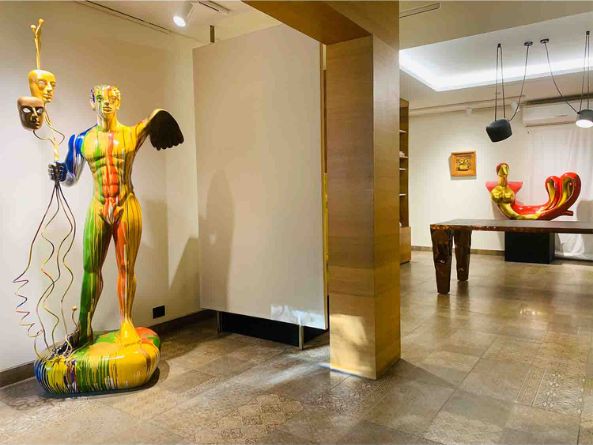
The Hidden Language of Form — What Shapes Say in Sculpture Art
When you step into a serene gallery, you will see the shape before the colour, texture, or technique. You will first notice the shoulder's curve, the upward tilt of the chin, the bend that is impossible to do in metal, and the stone's quiet power. The shape of every sculpture art has its own voice and lets the viewer interpret what it is saying without saying anything at all. The artist uses art and sculpture as the purest form of language.
At Kadari Art Gallery, it is often stated that when one views a sculpture, one must not just look at it; however, one must listen to it. The angles, shadows, and balance are forms of coded communication. The more one understands how a sculpture communicates through its form, the more complex the experience of the piece will become in an era where contemporary sculptures are no longer traditional and push creative boundaries.
Where Form Begins: The Intent of the Artist
The genesis of every piece of art is quiet but tenacious. It is an idea that is so persistent that it must ultimately be manifested physically, either through carving, casting, welding, or moulding. The form that an artist creates in an artwork is based on the intent of the artist and the materials used. A skilled artist does not simply manipulate the medium to create a physical shape; a skilled sculpture artist also manipulates the artistic medium to create an emotional response.
For example, the inward gentle curve of a Figure represents introspection; the sharp, angular style creates tension. The form will help you think about what to think about before you find the meaning.
Contemporary art sculpture creators have tended to have less respect or loyalty for "set rules". Instead, today's creators are more interested in toggling and switching past ideas with their new present-day interpretations.
Straight lines may represent practicality. Circular or zigzag shapes may represent fluidity. The chance to combine ancient concepts and structures paired with new-age looking silhouettes creates opportunities for ancient visual designs through modern visual interpretations.
There has been much creative evolution taking place, particularly within Indian culture. Many Indian sculptures combine ancient visual design ideas with a variety of new concepts and materials, thus bridging the gap between the past and the present in their works. You can physically see this across all mediums when comparing sculptural examples created using contemporary materials and methods with sculpture made from traditional stone, for example.
Along with the physical form, materials enhance the meaning of the piece. While a curved shape made from clay may have a much softer feel than that of a rounded shape made out of iron, the two shapes are equal in composition. The impact of the curved shape produced from the combination of numerous chisel cuts, the effort towards creating the shape, and the emotion surrounding it will dramatically impact the feeling of both the clay and the iron versions.
Many art collectors spend time thinking about the emotional impact of outdoor sculptures for sale. How mass, weight, and proportions work together create an overall emotional tone or feeling that a sculpture gives off. Outdoor sculptures need a stronger presence because they are subject to mother nature's elements – the sun, wind, weather, etc. Therefore, outdoor sculptures tend to be more aggressive when it comes to their overall size and shape.
The type of space also plays a role in how art is viewed and experienced. Indoor art usually provides a more personal relationship with sculpture than outdoor art. The way shadows are cast on the walls or how the curves change as pure light travels through the living space create a little "story" behind the sculpture.
Reading Art in the Form
If you are new to understanding the artistic importance of the shape, here are some tips to help you get started:
1. Curved forms = Motion & Emotion
Curved and flowing forms tend to represent softness, femininity, or a sense of freedom. They move.
2. Angular Forms = Strength & Tension
Angular forms with sharp corners or rigid lines represent power, conflict, or transformation.
3. Scale = Presence & Intention
The scale of a piece creates either an intimacy between the viewer and sculpture or a commanding perspective of the viewer to the sculptor.
4. Symmetrical vs Asymmetrical Sculptures
Symmetrical sculptures provide a calming effect on the viewer, while asymmetrical sculptures provoke thought and challenge the viewer. Many modern sculptures use asymmetry as a tool for provoking thought and as a symbol of change.
5. Negative Space = Breath & Potential
The spaces between and behind objects is as significant as the objects themselves. What remains uncarved holds just as much significance as the carved sections. The void is just as valid as the form, the void is simply a silent narrator.
The observer is also able to see the underlying language more clearly as they spend more time observing the form of a sculpture.
What is the importance of form to collectors?
In general, collectors are not looking for an aesthetically pleasing piece of sculpture. They are, however, generally looking for pieces that are reflective of their individual philosophies, values and ideals. Strong geometric silhouettes are typically sought after by business individuals, while creative types, such as artists and designers, are more likely to gravitate towards poetic asymmetrical shapes or organic fluid forms. Minimalists, on the other hand, generally tend to seek out clean, grounding forms.
This, ultimately, is one of the many reasons that sculpture and art are so beautiful; there is no right answer, only resonance with each individual.
Kadari Art Gallery, therefore, is well represented in the diverse forms of sculpture that it carries, from traditional Indian spiritual sculptures celebrating culture and heritage to contemporary architectural forms of modern sculptures and art and sculpture. All pieces are selected based on their clarity of form-language.
If you are looking to purchase pieces that will serve as statement additions for your home or for interiors or outdoor gardens, understanding form is crucial in making selections that will be a true part of your life story.
Frequently Asked Questions (FAQs) :
1. What is the significance of shape in the sculpture?
Shape has emotion and symbolism associated with it. Shape also serves as the native language of the sculptor conveying their feelings and thoughts through the work of art.
2. How do modern abstract sculptures convey their artistic meaning?
Examine the curves, angles, spatial balance and use of space; by closely studying these aspects of the piece, one can come to understand the artist's intention even if the subject matter is not literally shown.
3. How is contemporary art sculpture different from traditional sculpture?
Contemporary sculptures are often more experimental in their use of balance, types of materials, and abstract forms which allows for a new style of art and expands the amount of expression that can be obtained through the work.
4. Are Indian sculptures still influenced by the mythology of the past?
Yes, many Indian sculptures continue to derive their inspiration from cultural themes that have been handed down through generations; however, they have incorporated modern design and aesthetics.
5. When purchasing outdoor sculptures what things will you consider?
Weather-resistant material, stable form, and a design that works well with the surrounding environment.


