


The Power of Brushstrokes — How Technique Changes the Emotion of a Painting
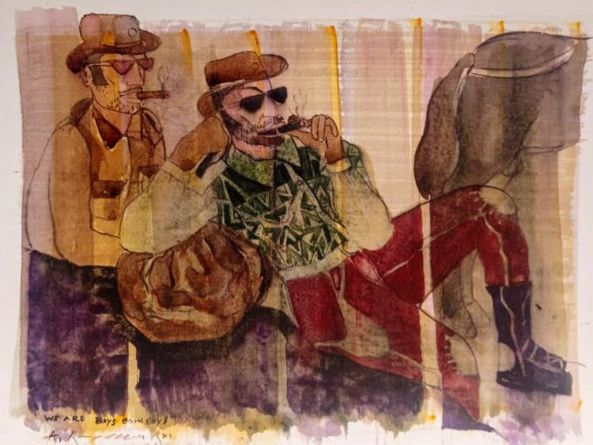
The Power of Brushstrokes — How Technique Changes the Emotion of a Painting
While you are strolling through the Kadari Art Gallery on a tranquil day, you will soon discover that the very first impression you will receive from a piece of artwork will be the stroke. The stroke can take many different forms and shapes – some strokes may appear to be contorted, some strokes lift and some may hover for what seems like eternity before making contact with the canvas. Stroke not only affects how the viewer feels about the artwork but is also the secret language of technique in the painting. As a result of the unique way painters throughout history have created their works using their hands to create texture and feeling, the stroke of an artist's brush tells part of the story of the painting.
The Silent Language Hidden in Technique
There are many different ways that painters use their hands to create depth and emotion, and regardless of whether you admire the gentleness of a fading horizon or the rebellion of a bold artist, the brushstroke is ultimately the most important part of the artwork as it represents the essence of the entire work. Also interesting is that a single stroke can completely alter the overall emotional impact of a painting – for instance, if the stroke were to create a graduated line, the painting would invoke a feeling of tranquility whereas if the stroke were jagged and abrasive, the painting would convey a feeling of chaos.
Expression Through Texture, Pressure & Rhythm
With a resurgence of interest in modern abstract painting and the growing influence of the idea of ‘expressive minimalism’ on art as we know it today, technique will only continue to be an essential component of our appreciation and experience of art. There are artists who use layers of texture to create their works, while others prefer to use extremely thin layers of glaze. The difference is notable in terms of how artists work (e.g., soft realism vs. bold expressionism). In addition to this apparent contrast between different types of painting, there appears to be an evolution in the way that many artists are developing their styles.
Artists who previously relied heavily on smooth transitions to create tension in their works now seem to have developed new ways to do so using palette knives instead. On the other hand, many techniques traditionally associated with classical works have found a way into modern art drawing and paintings, leading to the creation of entirely new forms of expression.
While technique can add a great deal of visual appeal to a piece of art, it can also provide the emotional framework for that piece of art. A shaky or roughened stroke may be interpreted as a form of vulnerability; conversely, a bold and confident stroke may be interpreted as a symbol of strength. Therefore, at Kadari Art Gallery we often describe the brush strokes of each artist as their personal "signature," as they each have their own unique characteristics.
Different types of brush strokes convey different physical sensations
A heavy stroke conveys solidity and creates a physical presence demanding attention; in contrast, gentle brush strokes allow for greater airflow, causing a feeling of serenity. There are numerous examples to illustrate this principle of balance in various types of painting styles, such as the meditative layered approach to painting using watercolours, and the textural richness of acrylic paint.
Despite their lack of identifiable forms, the techniques used for the abstract art paintings allow the artist to create a message through their emotional response to it.
Rhythm has become a major part of contemporary creation. Many artists today paint with rhythmically flowing strokes that suggest physical movement through the fluidity of the brush and through motion. Many artists create their abstract paintings in ways that convey an urgency to the viewer as if they were made by an artist who needed to paint the urgency of the moment.
Current Movements and Modern Techniques
Modern painters are following a path significantly different from many classical painters when it comes to their brushwork and their methods of representing their work on canvas. Historically, classical painters worked primarily to achieve a realistic likeness. Modern painters are concerned much less with reproducing a reality and more with developing a unique interpretation of their subject matter. When you look at how abstract painters of the last few years have approached and executed their work, you see a tendency toward intense experimentation, controlled physicality, and emotional storytelling — the merging of the two.
Currently, many contemporary painters are looking for new ways to create their paintings and are using tools that were not available to painters until recently. Sponge pads, metal scrapers, fabric scrapes, and bare hands are just some examples of new materials that artists can employ to build up texture that is beyond the ability of brushes. Additionally, through the use of these tools, painters can express the feelings they want their audience to experience, and this potential gives rise to a vastly larger emotional range than what would typically be achieved through color alone.
Collectors Care About Technique
When they see a painting, many collectors will look at technique before anything else and it will have a direct influence on whether a painting is appealing to them or not. Some individuals prefer paintings that have many tones because this offers peace and calm in the environment of a home. Others like to see very bold and textural paintings on their wall to bring personality and life into the room.
When an individual purchases artwork as an investment, the level of skill demonstrated by the artist in creating the artwork can be an indication of how much value the artwork will have both in terms of its artistic value and also its emotional value over time. The emergence of emotion from the artwork when the collector has a personal connection with it through the process of creating it is what makes it so special.
The brushstroke creates an emotional connection for the collector with the artist across time and place.
Frequently Asked Questions (FAQs) :
1. In what ways can a brushstroke define the emotional content of a single piece of artwork?
The brushstroke creates emotion within the artwork by changing the texture, rhythm, and energy; hence the brushstroke is what determines how the viewer will feel about the artwork immediately, long before they comprehend the content itself.
2. What techniques are modern-day artists currently employing?
Most modern artists today use palette knives to create new textures and this is demonstrating new ways to create strong emotional connections with the viewer. Other common techniques are layering, glazing, scraping, and mixed-media textures.
3. How do abstract paintings convey an emotional connection even though they do not represent something realistic?
Abstracts depend upon movement, colour, and negative space to evoke feelings and allow the viewer to interpret what they see. Additionally, the rhythm in how strokes are applied will evoke the viewer's emotional response.
4. What should collectors look for when evaluating technique?
Consistency, intentionality, texture quality, layering skill, and the emotional clarity expressed through the brushstrokes.
5. How are modern art painting ideas influencing new artists?
They inspire creators to innovate with tools, materials, and strokes, allowing for bold new forms of expression beyond traditional boundaries.


